
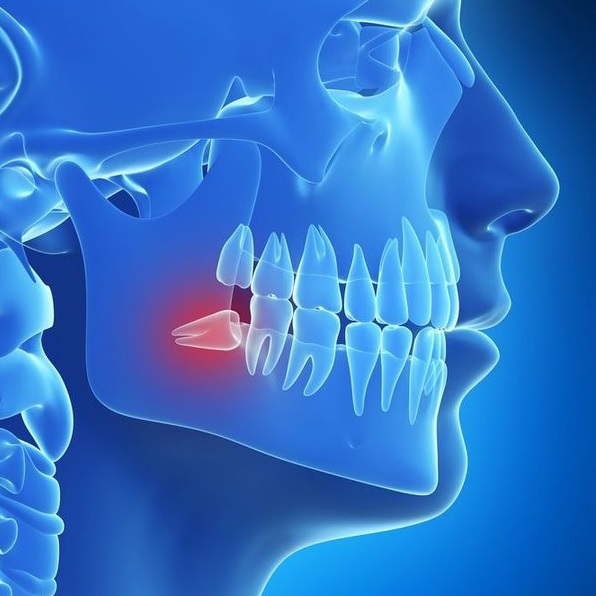
Wisdom teeth are the last teeth to come through. When there is not enough room, they can become impacted and may cause gum infection, decay in the neighbouring tooth, pain or jaw stiffness. Some impacted wisdom teeth cause no problems and can simply be monitored.
What affects the cost?
- Simple or surgical removal: a tooth that is fully through the gum is usually simpler to remove than one that is impacted in bone.
- Number of teeth removed.
- X-rays: an OPG (panoramic X-ray) is usually needed.
- Sedation, if used.
- Referral: complex cases may be referred to an oral surgeon, with separate fees.
Knowing the cost before treatment
Your dentist will examine the area, take X-rays and explain whether the removal is likely to be simple or surgical, the risks and the fee, so you have a written quote before proceeding.
Health funds
Many extras policies contribute to extractions. Check with your fund using the item numbers on your quote.
Risks
Swelling, pain, dry socket, infection, and temporary or rarely permanent numbness can occur. Read about wisdom teeth removal and tooth extractions.
Related articles
- Tooth Extraction Cost: Three Factors That Affect the Price
- Wisdom Teeth Removal: When Is It Needed?
- How Long Does It Take to Recover From a Tooth Extraction?
This article is general information only and does not replace advice from your own dentist. Whether a treatment is suitable for you can only be decided after an examination. All dental treatment carries risks, and results vary from person to person. Any surgical or invasive procedure carries risks. Before proceeding, you should seek a second opinion from an appropriately qualified health practitioner.